Chancenkarte, work visa, apprenticeship, family reunion: there are several ways to Germany, and the right one depends on your situation. Answer a few short questions and see which route is likely yours.
As a citizen of the EU, Iceland, Liechtenstein, Norway or Switzerland, you can live and work in Germany freely, without a visa or work permit. A few practical steps are all it takes.
What you need
A valid passport or national ID card
An address in Germany, registered at the local citizens' office (Anmeldung) within two weeks of moving in
Health insurance, at the latest from your first working day
Good to know
Regulated professions such as nursing, medicine or teaching need professional recognition before you can work in them
Most other jobs need no recognition, but a CV and cover letter in the German format make a big difference
Recommended
Not quite sure? Book a call with us and we'll guide you.
A video or WhatsApp call with one of our consultants
We look at your profession, your target roles and what to set up first
An honest answer on which route fits you
Afterwards: your personal offer
€50credited in full when you book a service
Choose a time for your call
Your likely route
Family reunion could be your route.
If your spouse or registered partner lives in Germany with a residence permit or German citizenship, you can usually join them with a family reunion visa. Children under 18 can join their parents the same way.
What usually matters
The residence permit of your family member in Germany
Enough living space for everyone
Enough income to support the family without state benefits
Often basic German (A1) for partners, with exemptions, for example for partners of Blue Card holders
How it works
You apply for the visa at the German embassy or consulate in your country
Your family member in Germany gathers proof of housing and income
Embassy appointments can take a long time, so starting early helps
Not quite sure? Book a call with us and we'll guide you.
A video or WhatsApp call with one of our consultants
We go through your family member's permit, the housing and the documents
An honest answer on which route fits you
Afterwards: your personal offer
€50credited in full when you book a service
Choose a time for your call
Your likely route
An apprenticeship (Ausbildung) could be your way in.
An apprenticeship in Germany is a paid job: two to three years of work and vocational school, with a salary from the first month. You do not need a degree for it.
To come and look for a training place, you need
To be under 35
A school certificate that gives you access to university in your country
German at B1, proven by a certificate (there is no English alternative)
Enough money to support yourself while you search, for up to nine months
How it works
You learn German to B1, in your country or online
You come to Germany on a training-search visa, meet employers and do trial days
Once you sign a training contract, you switch to the training permit without leaving Germany
Not quite sure? Book a call with us and we'll guide you.
A video or WhatsApp call with one of our consultants
We check your degree, your languages and your points with you
An honest answer on which route fits you
Afterwards: your personal offer
€50credited in full when you book a service
Choose a time for your call
Timing matters
Extending or switching your permit: apply in time.
Whether you extend your permit or switch to a different one, the most important thing is to apply before your current permit expires.
What to know
If you apply before your permit expires, you can usually stay while the immigration office decides, and you get a certificate to prove it (Fiktionsbescheinigung)
Appointments at the immigration office (Ausländerbehörde) can take weeks, so start early
Switching, for example from studies or a Chancenkarte to a work permit, depends on your job and your qualification
What you usually need
Your passport and your current permit
Your employment contract or job offer
Proof of health insurance and your address registration
Not quite sure? Book a call with us and we'll guide you.
A video or WhatsApp call with one of our consultants
We check your deadline, your options and the documents your office asks for
An honest answer on which route fits you
Afterwards: your personal offer
€50credited in full when you book a service
Choose a time for your call
Your next step
You are allowed to work. Now it is about the right job.
German employers read applications differently, and not every job lets you stay. A clear plan makes the difference.
What makes the difference
A CV and cover letter in the format German employers expect
Checking each job against your residence status before you apply: a Blue Card needs a minimum salary, a skilled worker permit a job that matches your qualification
Knowing whether your target role needs recognition first
Not quite sure? Book a call with us and we'll guide you.
A video or WhatsApp call with one of our consultants
We go through your permit, your housing and your family's documents
An honest answer on which route fits you
Afterwards: your personal offer
€50credited in full when you book a service
Choose a time for your call
Your next step
Getting your degree recognised.
Recognition shows how your foreign qualification compares to a German one. Which route you need depends on your degree and your profession.
The two routes
For most university degrees in professions that are not regulated: a Statement of Comparability from the ZAB
For vocational qualifications and regulated professions such as nursing, medicine or teaching: recognition from the authority responsible for that profession
Why it matters
Many jobs and residence permits need it, for example a skilled worker permit
Regulated professions can only be practised with it
We first check whether Germany already recognises your university and degree
An apprenticeship is a paid job with vocational school, and you do not need a degree. We prepare you from the language course to the training contract.
In a consultation call, one of our consultants goes through your situation with you, tells you honestly which route fits and what it takes. Answer the short questions first, so we know where you stand.
WTE Companion was built by the team behind Charkos Europe, a recruitment company that has brought skilled workers from outside the EU into German jobs for years. We know the embassies, the immigration offices and the authorities because we deal with them every week.
Fabian ScholzManaging director. Legal background. Runs partnerships and signs off every process.
Jakob ScholzManaging director. Economist. Runs operations: your file, your timeline.
Fredrik ChristensenManaging director. Product and technology. Built the WTE Companion app.
Karol BaginskiEmployers and partners. Knows the companies that hire.
Victor GuleaDesign and brand. Makes sure nothing is confusing.
WTE Group GmbH · HRB 179321
Based in Hamburg
Your data on EU servers, deletable by you
Your next step
Your move starts with the right route.
Answer a few short questions, see what fits, and talk it through with us.
No. With the Chancenkarte, skilled workers from outside the EU can come for up to a year to look for a job. With a job offer, a work visa such as the Blue Card is often the faster route.
Do I need to speak German?
It depends on the route. The Chancenkarte needs German at A1 or English at B2, an apprenticeship needs German at B1, and many skilled jobs work in English. More German always helps, at work and in everyday life.
Do I need a university degree?
No. A vocational qualification of at least two years also counts for the Chancenkarte and for work visas, and an apprenticeship needs no degree at all.
I am an EU citizen. Do I need a visa?
No. Citizens of the EU, Iceland, Liechtenstein, Norway and Switzerland can live and work in Germany without a visa. You register your address after you move, and regulated professions such as nursing still need recognition.
What does the consultation call cost?
€50. If you book one of our services afterwards, the fee is credited in full.
Are you a law firm?
No. We do not give legal advice. We organise, prepare and check, and you apply in your own name. If your case needs a lawyer, we tell you and can refer you to a partner law firm, booked separately.
We use cookies
We use cookies to make this site work and, with your permission, to understand how it's used so we can improve it. You can change your choice at any time from the footer. Read our privacy policy.
Strictly necessary
Required for the site to work. Always active.
Analytics
Helps us understand how the site is used and which companies visit it (Google Analytics 4, Leadfeeder).
Marketing
Lets us measure and improve our advertising (Meta Pixel). Data is shared with Meta.


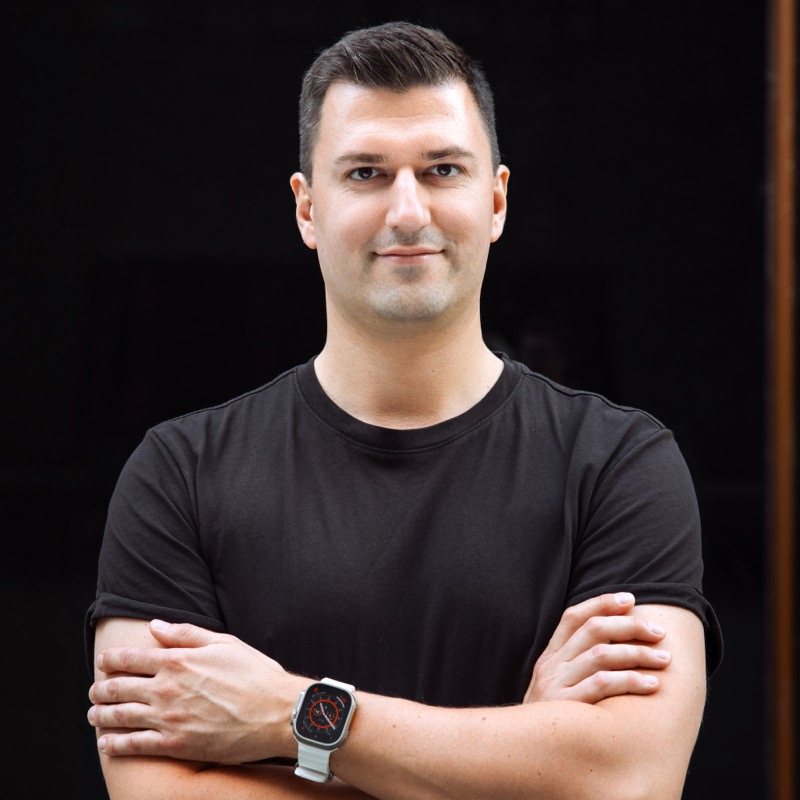 Fabian Scholz
 Jakob Scholz
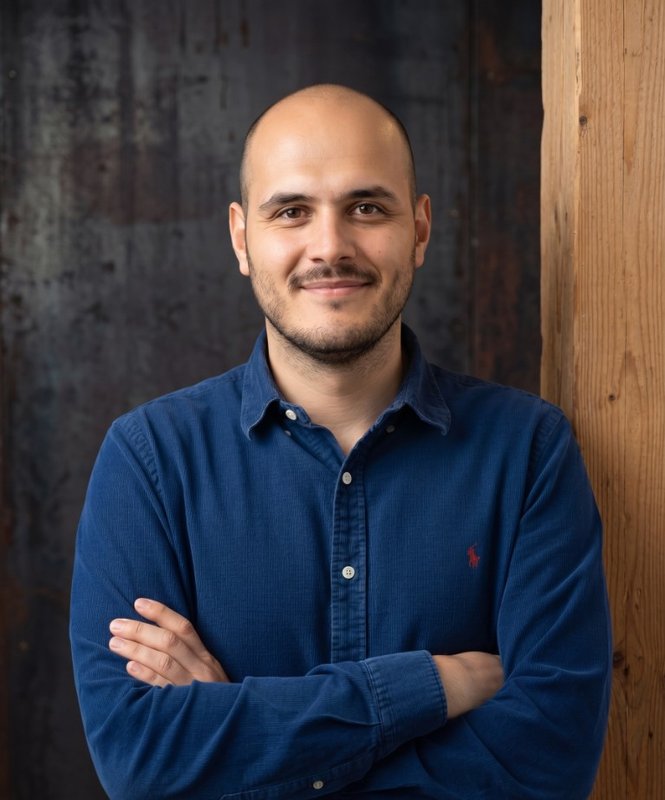 Fredrik Christensen
 Karol Baginski
 Victor Gulea